
Does Trump still have time to change voting rules before midterm elections?
President Donald Trump is pursuing a range of strategies to change how Americans vote, but he's hitting roadblocks in the courts and in Congress.


President Donald Trump is pursuing a range of strategies to change how Americans vote, but he's hitting roadblocks in the courts and in Congress.
President Donald Trump is pursuing a range of strategies to change how Americans vote, but he's hitting several roadblocks. And time is running out before midterm elections this fall that will determine control of Congress.
"I think it really is too late. We're going to see states in just a few weeks start sending out ballots to overseas and military voters," said Richard Hasen, director of the Safeguarding Democracy Project at the UCLA School of Law. "The best way to change an election law is to do it slowly and to test it. It's not good to roll it out in a major election."
But asked Friday if there's still time to implement the president's efforts before Nov. 3, White House spokeswoman Lauren Bis emphasized the need for an urgent fix.
“Nothing is more fundamental than the integrity of our elections, that’s why the Trump Administration will continue to lawfully enact commonsense measures to ensure our elections are secure," Bis said in an emailed statement.
Stalled legislation
A push to pass tighter voting requirements still doesn't have enough support to pass in the Senate, despite a very public pressure campaign from President Trump.
Trump has repeatedly called on the Senate to pass the SAVE America Act, which would mandate voter ID to cast a ballot and proof of citizenship to register to vote. He urged senators to get it done before leaving for their August recess but ultimately, the effort came up short.
Legislation generally needs 60 votes to pass under Senate rules, which would require support from several Democrats, and some Republicans have rejected calls to eliminate the filibuster.
Republicans have moved forward with another procedural route that may allow them to pass parts of the SAVE America Act on a party-line vote, but there are limits on what policies can be included under that process. Even if a reconciliation package does make it across the finish line, experts say it will likely be a grant program that incentivizes but does not mandate changes at the state level.
Setbacks in court
Trump also attempted to implement a documentary proof of citizenship requirement, among other changes, through an executive order that he signed last year, but a federal judge blocked it.
A more recent order sought to create a federal list of eligible voters and told the U.S. Postal Service to only deliver mailed ballots to Americans on that list.
That effort faced another legal setback earlier this week.
The Trump administration argues that the order is essential to crack down on potential fraud. However, critics argue that it could mistakenly disenfranchise legitimate voters and that the president is exceeding his legal authority.
"The Constitution is clear. The president does not have the authority to set the rules for our election. That belongs to the states and Congress," said Sophia Lin Lakin, director of the ACLU's Voting Rights Project, one of several groups involved in the lawsuit. "The Postal Service cannot serve as a gatekeeper of who can vote by mail. The court made sure of that. Of course, the legal fight isn't over."


Top Picks
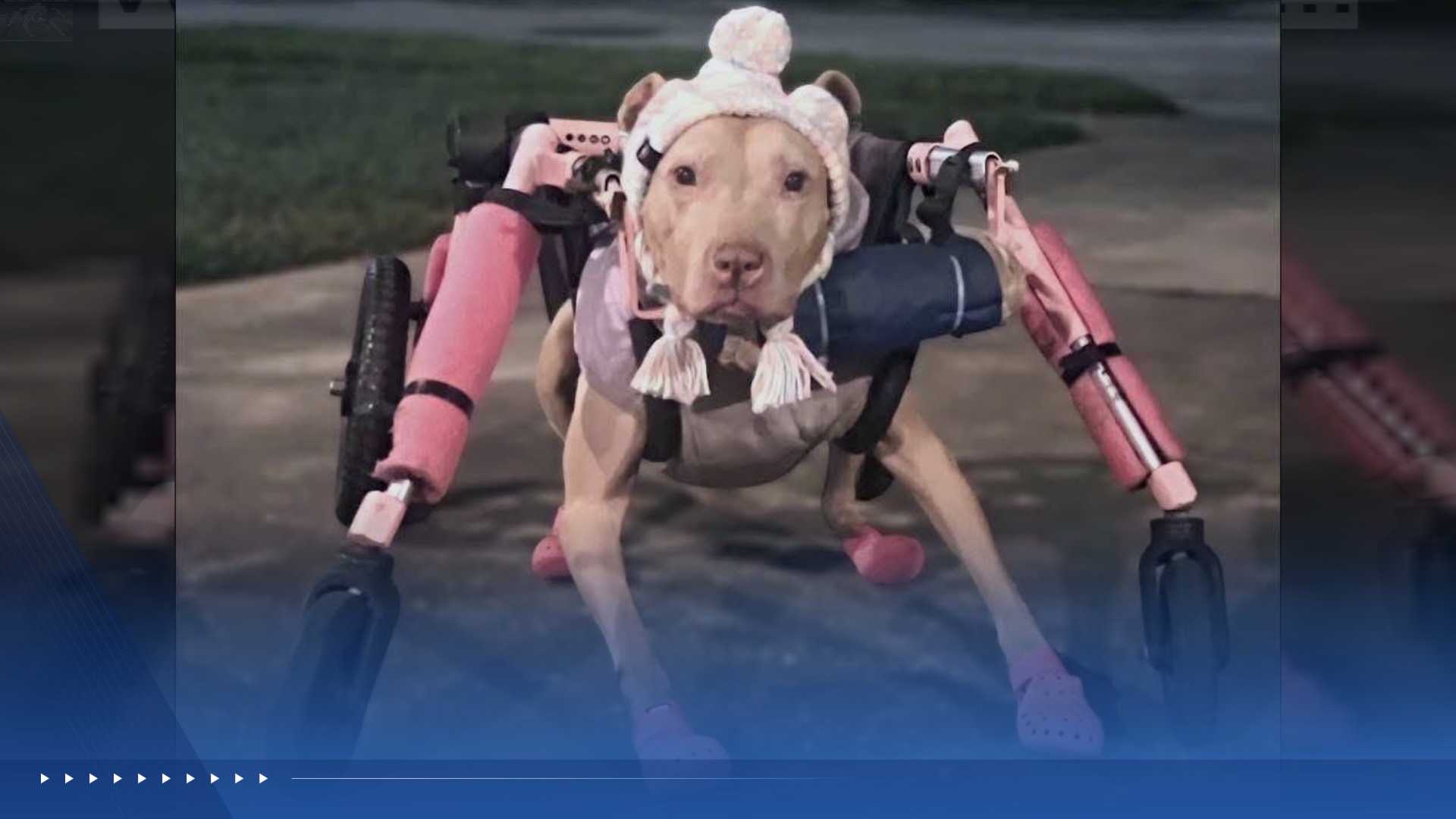
A dog's customized pink wheelchair worth $800 was stolen. An organization stepped in to replace it

Scammers are impersonating MyChart. Here’s how to spot them

'Liquid concrete': Why living downstream from a glacier has become a deadly liability