A controversial ad for a driver is the latest clash between golf’s old guard and new world


The normally buttoned-up world of golf is dealing with its latest collision between traditional sensibilities and new-age internet culture — and this time it’s putting into question how and whether those two worlds merge.
Related video above: San Francisco 49ers owner Jed York arrest bodycam video
The golf-focused media company Good Good and equipment maker Callaway are both under fire this week after the release of an advertisement for a new co-branded driver featuring personalities from Good Good. The ad started with a shocking visual of Garrett Clark, one of the co-founders of Good Good, shoulder-checking Alexis Miestowski to the ground as she went to touch his driver.
The advertisement quickly drew immense backlash and was pulled down, with Callaway and Good Good both facing intense questions over how an ad showing a violent act against a woman would be approved and posted.
Amid the backlash, Clark apologized for his "role" in the ad and on behalf of Good Good, in a video posted to his X account on Wednesday night.
"This is not, at all, what we stand for. The way this ad was received is not how Good Good is and not what we stand for once again. I want everyone to know that. I do not support (domestic violence), abuse or any of that."
Clark offered "some clarity" on the idea behind the ad, likening it to the 2026 movie "Obsession" directed by 26-year-old YouTuber Curry Barker.
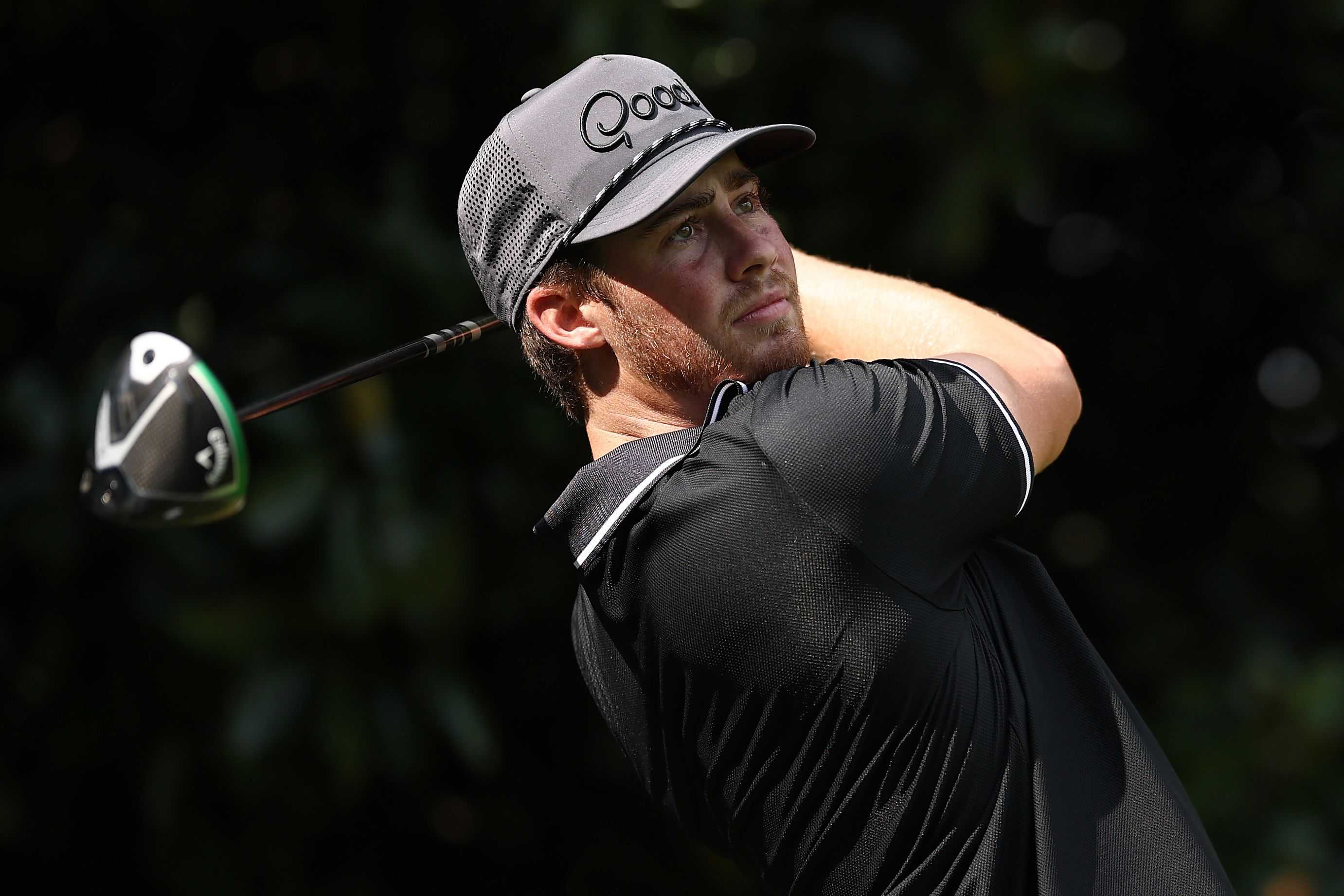
Clark explained that, like the movie, he was supposed to be obsessed with his driver, and anybody who touched it would become "possessed with the obsession."
"Looking back, super dumb ad concept," Clark added. "Terrible ad in general. Not the greatest idea. … Once I watched it back and it got posted, my skin was crawling. I was cringing. I mean, even just minutes after I saw it get posted, before this surfaced anywhere online, I thought it was the worst ad known to man."
Clark described the comments and criticism the ad received as "very justified," but denounced the hate and death threats Miestowski has received in her social media direct messages.
"If you got hate to give, got any left in the tank, give Good Good some hate. You can give me some hate in the comments down below. I do sincerely apologize for playing the role in the ad," Clark said.
Clark said Good Good’s mission has always been to grow the game, and "not just within the male side of golf" with the addition of Good Good Girls.
"Golf has historically been and is a big male sport. And we have wanted to change that by including women in all of our content and pushing the women’s side of the game," he said.
"Hopefully you guys can forgive Good Good as well as myself for being a part of it. And hopefully, we can move on and continue to grow the women’s side of golf."
Callaway breaks with Good Good after ad blowback
Golf equipment maker Callaway is severing ties with Good Good after the influential internet golf company’s controversial advertisement that featured one of Good Good’s co-founders pushing over a female member of their team.
"Over the last several days, we have listened and reflected deeply on the hurt and disappointment caused by the video we reposted," Callaway said in a post on X announcing the decision Thursday. "We heard from individuals who shared personal experiences related to violence against women, and their stories were powerful reminders that this issue touches the lives of far too many people.
"Unequivocally, violence against women is unacceptable and should never be trivialized, normalized, or used as entertainment."
In its statement, Callaway noted that its processes failed, with the company’s CEO earlier admitting that Callaway reviewed Good Good’s video and approved it before it went live
"In this instance, our content review process was not comprehensive enough. We have taken appropriate internal corrective actions and significantly strengthened our approval procedures to help ensure this does not happen again," the statement read.
Callaway said it will donate $1 million to organizations that work to "prevent violence against women, provide resources to survivors, and advance education and awareness efforts," the company stated.
But even so, the company said it understands many people feel harmed by the advertisement and that hurt is not easy to undo.
"We sincerely apologize to everyone who was hurt, disappointed, or offended by this incident," the statement read.
The backlash against Good Good, in particular, has been intense this week.
Multiple reports have indicated major golf retailers are pulling the company’s merchandise from shelves, which would be a significant blow to Good Good’s bottom line if it went on for a lengthy period. While the company made its name with social media videos showcasing its personalities playing golf, its merchandise sales make up a large portion of the company’s revenue.
The company’s popularity has grown to the point that legacy names in the sport, such as Callaway, have tried to capitalize on its popularity with partnerships. One of the most high-profile partnerships that’s now in jeopardy is The Good Good Championship, a PGA Tour event slated to take place this November in Texas.
On Tuesday, Callaway CEO Chip Brewer admitted his company approved the ad and apologized for that mistake.
"As we deal with the consequences of our mistake and complete our investigations, I want to make it clear that we sincerely apologize for the video," Brewer wrote in a statement posted to X.
"The content was inappropriate and does not reflect our values. To be clear: We are unequivocally against discrimination, domestic violence, or threatening behavior of any kind."
For its part, Good Good also apologized after the video was pulled on Saturday, saying, "Good Good has always stood for making the game of golf more inclusive to all, and we will continue to ensure that is our mission moving forward."
The involvement of Good Good in this controversy is particularly notable given the company’s place in the emerging ecosystem of internet golf. The company is among the leading brands as the sport explodes on social media, bringing in new fans to the game who prefer watching the ebullient personalities on the course to the normally demure and understated players who make up the professional ranks on the PGA Tour.
Good Good’s place in the game has grown over the years since it was founded in 2020, and the company has branched out from content creation into merchandising, with its stylized "Good" hats prominent on fairways across the country. Good Good’s popularity is such that it made its way into golf’s upper echelon when it became the title partner for the Good Good Championship taking place this November in Austin, Texas.
But it’s that partnership that has now come under scrutiny in the fallout of the ill-conceived advertisement as the PGA Tour takes in all the reaction — and evaluates Good Good’s response to it.
The Good Good Championship
PGA Tour CEO Brian Rolapp on Tuesday told reporters at Atlanta’s East Lake Golf Club, the scene of this weekend’s season-ending Tour Championship, that he was disappointed in Good Good’s reaction to the controversy, saying that the company did not show enough accountability.
"Initially, no. I think what we saw was concerning, and is clearly not aligned with PGA Tour values," Rolapp said. "We take it very seriously. I think their initial response was disappointing. It was a bit defensive and late, but I think the responses are getting better."
When asked directly if the video and subsequent response would affect the tournament in November, Rolapp said, "It’s a bit of a fluid situation."
"We were disappointed at first. It sounds like in the last 24 hours they’ve made some progress. We’ll continue to monitor the situation and see how it develops," he said.
The PGA Tour is golf’s preeminent brand and has nearly 100 years of history as the home of men’s golf’s biggest names, but it has also faced challenges in the 2020s like never before. From the creation of LIV Golf as a big-money alternative tour for players to online media companies like Good Good that attract viewers to a much more relaxed and internet-savvy presentation of the game, the tour has been making numerous changes to try and attract new fans and keep its current fans engaged amid these new challenges to its hegemony.
But in some ways, the tour has embraced these golf influencers and personalities to modernize its brand. The usual rank-and-file of reporters and photographers at tour events is now also scattered with independent content creators making videos for their own social media channels, and the tour works with some of them to promote events weeks ahead of time. The Good Good Championship, in a few months, was seen as a novel concept bringing the old and new worlds of golf together in a groundbreaking way.
However, the Good Good/Callaway video and its aftermath represent the clearest clash of boisterous, sometimes over-the-top internet influencers and the modest and conservative image of the PGA Tour – especially when the two are in business together.
It’s making for some intense conversations that could shape the future of these kinds of partnerships.



Top Picks
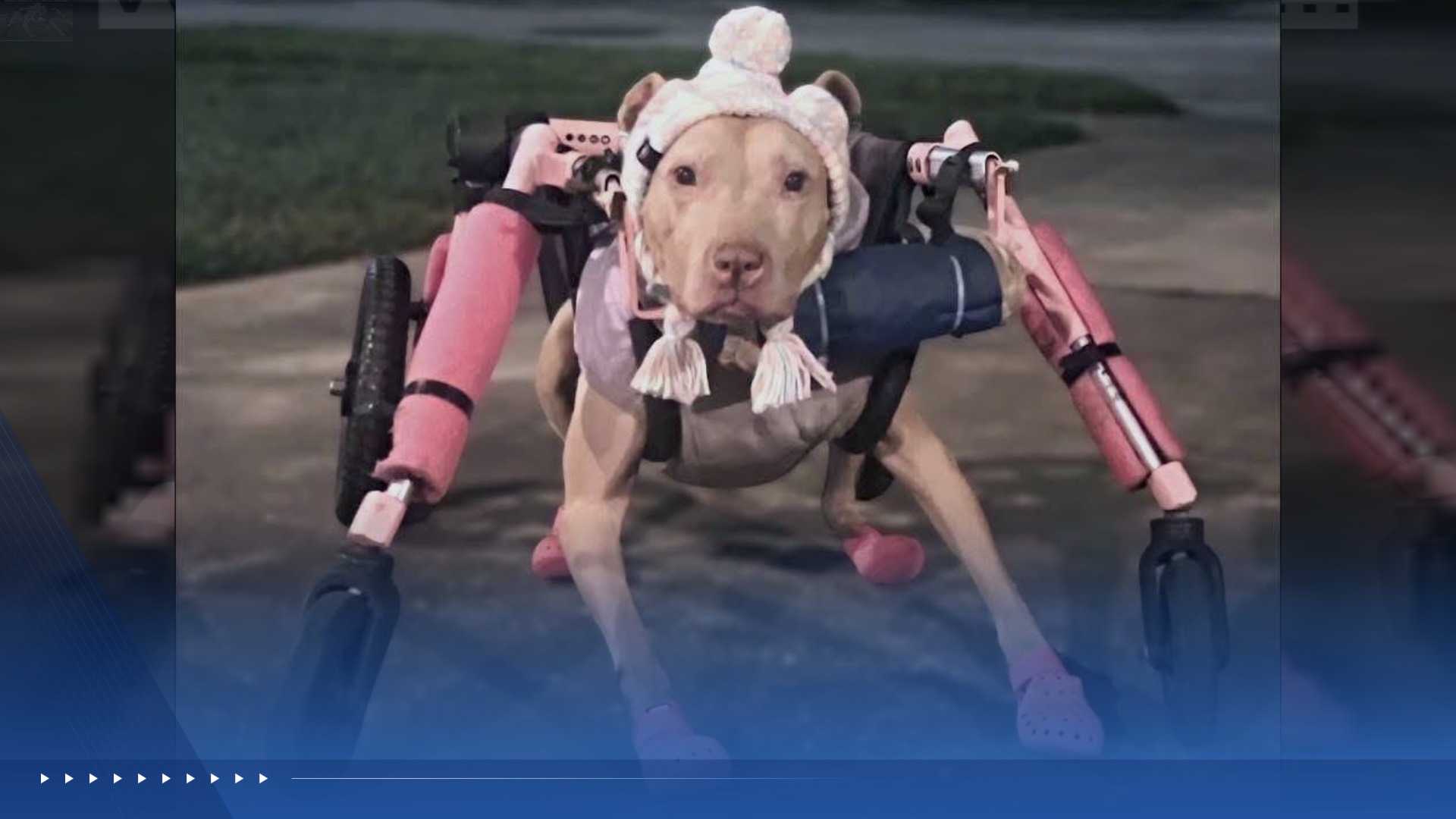
A dog's customized pink wheelchair worth $800 was stolen. An organization stepped in to replace it

Scammers are impersonating MyChart. Here’s how to spot them

'Liquid concrete': Why living downstream from a glacier has become a deadly liability